Fall home maintenance usually means cleaning gutters, preparing the yard, checking the furnace, and getting the house ready for colder weather. But there’s another part of the home that deserves attention before winter arrives: your electrical system.
As temperatures drop and daylight hours get shorter, the way you use electricity at home begins to change. Lights stay on longer, heating equipment comes back into use, outdoor spaces are prepared for winter, and the holiday season isn’t far behind.
Adding a few electrical items to your fall maintenance list can help identify potential problems early and make sure your home is ready for the months ahead.
1. CHECK YOUR OUTDOOR OUTLETS AND GFCIs
Outdoor outlets deal with Colorado weather all year long. Before winter arrives, take a look at exterior receptacles for cracked covers, loose components, discoloration, or other visible signs of damage.
Outdoor outlets should also have proper weather-resistant protection, and GFCI outlets should be tested periodically to make sure they’re functioning correctly.
If an outdoor outlet isn’t working, won’t reset, feels loose, or shows signs of damage, have it evaluated rather than simply avoiding it until spring.

2. TAKE A LOOK AT YOUR ELECTRICAL PANEL
You don’t need to open your electrical panel or perform any electrical work yourself to give it a basic visual check.
Pay attention to breakers that trip repeatedly, unusual sounds coming from the panel, burning odors, visible corrosion, or a panel that feels unusually warm. These can all be reasons to have a licensed electrician take a closer look.
Fall can also be a good time to think about whether your current panel is keeping up with your home’s electrical needs, particularly if you’ve added appliances, an EV charger, a hot tub, or other equipment since the system was installed.
3. PAY ATTENTION TO FLICKERING OR DIMMING LIGHTS
With shorter days, you’re probably using your home’s lighting more often—and that can make existing electrical issues easier to notice.
A single flickering bulb may simply need to be tightened or replaced. But recurring flickering, lights that dim when appliances turn on, buzzing switches, or problems affecting multiple areas of the home may indicate an electrical issue worth investigating.
Don’t ignore a problem just because the light eventually returns to normal.
4. INSPECT EXTENSION CORDS AND POWER STRIPS
Extension cords have a way of becoming semi-permanent fixtures around the house.
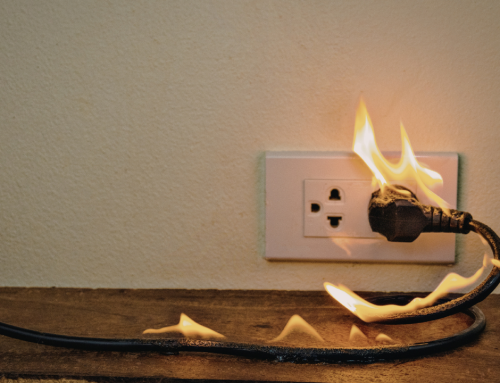
Fall is a good opportunity to check the cords and power strips you’re already using. Look for fraying, cracked insulation, loose plugs, discoloration, or other damage, and replace anything that is no longer in good condition.
It’s also worth looking at why you’re relying on extension cords in the first place. If you’re constantly stretching cords across a room because there aren’t enough conveniently located outlets, adding receptacles may be a safer and more practical long-term solution.
And as colder weather approaches, remember that high-draw appliances such as portable space heaters require extra attention. Avoid using them with extension cords or power strips and always follow the manufacturer’s electrical requirements.
5. DON’T FORGET THE GARAGE
Garages are easy to overlook during an electrical check, but they’re often home to some of the property’s biggest electrical demands.
Take note of outlets that don’t work properly, frequently tripped breakers, damaged lighting, or extension cords being used as permanent wiring.
This is especially important if your garage now supports equipment that wasn’t part of the home’s original electrical plan, such as an EV charger, additional refrigerator or freezer, workshop equipment, or other high-demand devices.
6. CHECK YOUR EXTERIOR AND SECURITY LIGHTING
As daylight disappears earlier, exterior lighting becomes increasingly important.
Walk around your property after dark and check porch lights, pathway lighting, motion lights, garage fixtures, and other exterior lighting. Replace burned-out bulbs and look for fixtures that are damaged, flickering, or no longer operating reliably.
If you’ve been considering adding motion-activated lighting, upgrading older fixtures to LEDs, or improving lighting around entrances and walkways, fall is a great time to tackle those projects.

7. TEST SMOKE AND CARBON MONOXIDE DETECTORS
Smoke and carbon monoxide detectors are easy to forget until they’re needed.
Follow the manufacturer’s instructions for testing your detectors, replacing batteries, and determining when the units themselves need to be replaced.
If your home has hardwired detectors and you’re experiencing recurring problems, don’t assume changing the battery will always solve the issue. There may be a problem with the detector, wiring, or interconnected system that needs further evaluation.
8. THINK ABOUT SURGE PROTECTION BEFORE WINTER
Power surges aren’t limited to summer thunderstorms. Utility issues, equipment cycling, outages, and power restoration can all affect the electrical system throughout the year.
Whole-home surge protection can provide another layer of protection for appliances, electronics, and other equipment connected throughout your home.
If surge protection has been sitting on your home-improvement list, fall is a good time to revisit it before winter weather arrives.
A LITTLE FALL PREPARATION CAN GO A LONG WAY
Electrical maintenance may not be as obvious as cleaning the gutters or preparing the furnace, but it’s an important part of getting your home ready for the season ahead.
Pay attention to what your electrical system is telling you. Repeated breaker trips, flickering lights, buzzing, warm outlets, burning odors, damaged receptacles, and other unusual behavior shouldn’t simply become things you learn to live with.
If something doesn’t seem right—or you’re not sure whether your home’s electrical system is ready for increased fall and winter use—Colorado Integrated Electrical Systems can help.
Schedule an electrical inspection or service with CIES and head into the colder months with greater confidence in your home’s electrical system.